
Launching a WhatsApp marketing campaign in South Africa is no small task. Before your team drafts that engaging message or plans personalised offers, there’s a critical question to address: how do you obtain and manage the necessary consent from customers to comply with the Protection of Personal Information Act (POPIA)?
Consent management isn’t just a legal box to tick. It shapes your relationship with customers, impacting brand trust and campaign effectiveness. This article breaks down the practical realities of managing WhatsApp campaign consent in South Africa. We explore how to gather valid consent, maintain compliance, and still create meaningful engagement.
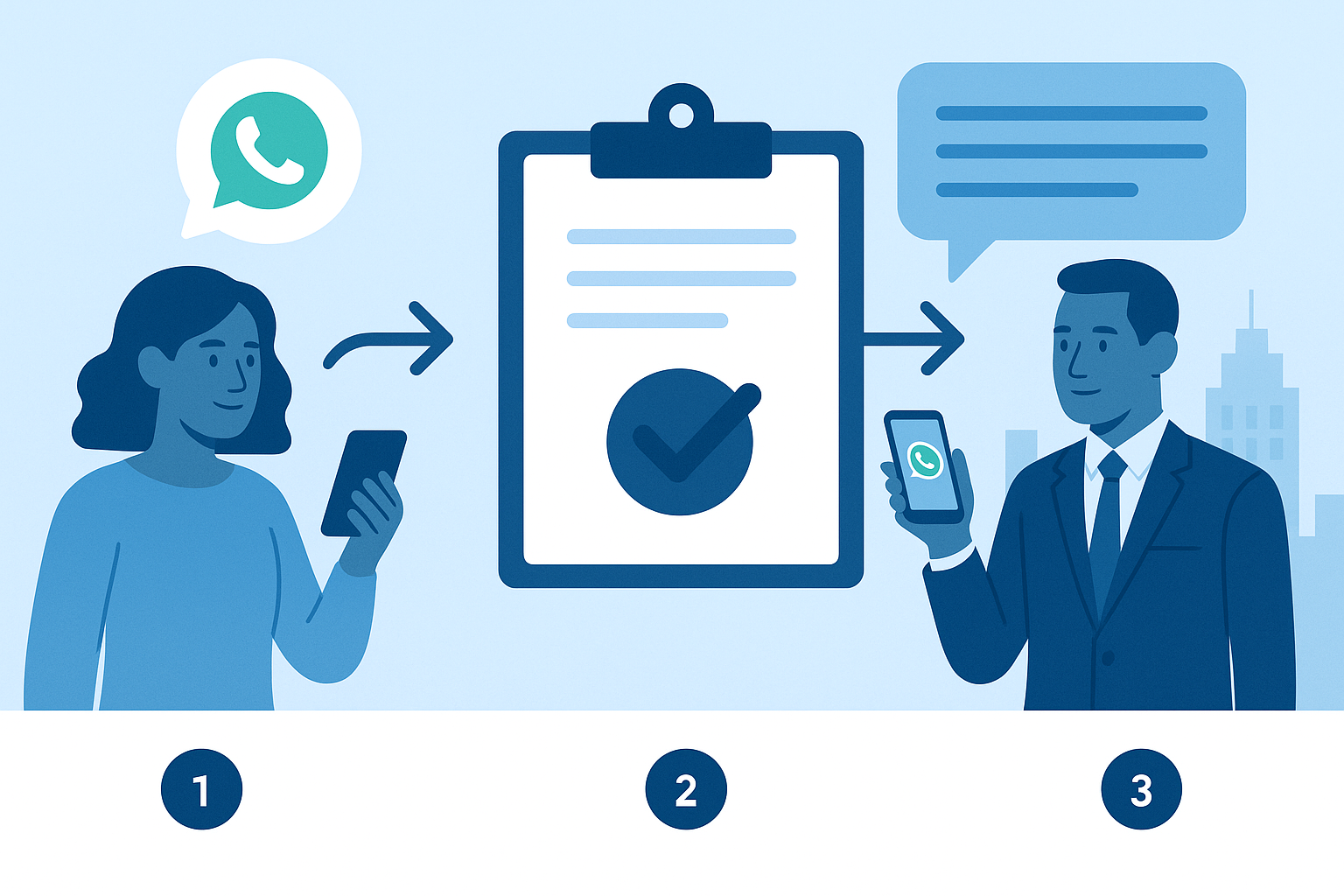
Why consent management matters beyond legal compliance
POPIA sets clear guidelines for processing personal information, including strict rules about consent. Without valid consent, sending WhatsApp marketing messages risks penalties and reputational damage. However, the implications go further.
South African consumers are increasingly aware of privacy issues. A poorly handled consent approach can erode trust, drive customers away, or cause them to block your number. On the other hand, transparent and respectful consent practices foster loyalty and even increase message open rates.
Successful consent management thus sits at the intersection of legal, operational, and customer experience priorities.
Determining the right type of consent for WhatsApp campaigns
POPIA distinguishes between different consent types, but for WhatsApp marketing, the focus is on specific, informed, and voluntary consent. This means customers must clearly understand what they are consenting to and must opt in without coercion.
Consent can be:
- Explicit opt-in: Customers actively agree to receive WhatsApp messages, for example, by ticking a box on a website or sending a keyword via WhatsApp.
- Implied consent: Less reliable for marketing, this might arise from an existing business relationship, such as a recent purchase, but still requires careful handling.
For WhatsApp campaigns, explicit opt-in is the safest and most transparent approach. It also aligns with WhatsApp’s own policies, which disallow unsolicited bulk messaging.
Practical sources of explicit opt-in in South Africa
- Online forms on your website or app, with a clear checkbox separate from terms and conditions
- SMS or WhatsApp keywords sent by customers to opt in
- In-person or telephonic consent recorded and logged by your team
Capturing and storing consent compliantly
Collecting consent is the first step; maintaining accurate records is equally critical. POPIA requires that organisations demonstrate consent is valid and current. This means:
- Timestamping when and how consent was given
- Recording the exact wording or method customers were presented with
- Storing consent records securely and making them retrievable for audits or customer queries
Integrating your WhatsApp Business API platform with a CRM or unified inbox that supports consent metadata can automate much of this process. For example, when a customer opts in via WhatsApp, the system can log the interaction directly against their profile.
Handling consent updates and withdrawals
POPIA grants customers the right to withdraw consent anytime. Your systems must support easy opt-out mechanisms, such as replying ‘STOP’ on WhatsApp.
It’s also best practice to periodically review consent status, especially if campaigns run over extended periods. Automated reminders or re-consent requests can help maintain compliance and engagement quality.
Balancing consent collection with customer experience
Asking for consent can be intrusive if handled poorly. Bombarding website visitors with pop-ups or requiring extensive forms may increase opt-outs or abandonment.
South African businesses often face a trade-off:
| Approach | Pros | Cons |
|---|---|---|
| Inline opt-in on checkout or signup | Higher conversion; linked to transaction | May be overlooked if not prominent; limited to existing customers |
| Dedicated opt-in campaign (SMS/WhatsApp) | Clear explicit consent; attracts interested audience | Requires initial outreach; slower list growth |
| Website pop-ups for marketing consent | Immediate capture; broad reach | Can annoy users; risk of non-compliance if unclear |
Experimenting with channel-appropriate consent requests and messaging tone can improve results without compromising compliance.
Common pitfalls in WhatsApp campaign consent management
- Assuming prior consent from other channels implies WhatsApp consent - this is not valid under POPIA
- Failing to document opt-in details or losing consent records
- Ignoring or delaying opt-out requests, which can escalate complaints
- Sending promotional messages without clear consent, risking WhatsApp number suspension
“Consent is not just a legal formality - it’s the foundation for lasting customer trust and engagement on WhatsApp.”
Implementing consent management with Answer’s WhatsApp Business API platform
Answer offers South African organisations a platform to centralise messaging and consent management effectively. Key features include:
- Customisable opt-in workflows integrated into your existing CRM or website
- Automatic logging and time-stamping of customer consent across channels
- Unified inbox handling opt-outs and customer queries, ensuring swift responses
- Reporting dashboards to monitor consent rates, campaign compliance, and risk areas
By embedding consent management into everyday workflows, your team can ensure campaigns reach only willing recipients, building brand credibility and reducing legal risk.
For more detailed guidance on implementing compliant WhatsApp campaigns with consent management tailored for South African businesses, contact Answer today. We'll help you design a solution that respects your customers and the law.