
Choosing to implement WhatsApp Business API can transform customer communication for South African organisations. But success requires more than just connecting the API. You need an approach that fits local regulations, meets customer expectations, and aligns with your operational workflows. This article unpacks best practices for deploying WhatsApp Business API thoughtfully and effectively in South Africa.
Understanding the South African Regulatory Context
South Africa’s Protection of Personal Information Act (POPIA) imposes strict rules on how organisations collect, store, and use personal data. WhatsApp Business API implementations must be designed with these rules front and centre to avoid fines or reputational damage.
Consent management is critical. Unlike informal WhatsApp usage, businesses need documented, active consent from customers before sending marketing or service messages. This means integrating consent capture and verification into enrolment workflows, whether online or in-store.
Additionally, the platform and messaging content should clearly offer opt-out options. This transparency builds trust and helps meet both POPIA and customer expectations.
Balancing Automation with Personalised Service
Automation via chatbots and workflow rules is a key benefit of the WhatsApp Business API, yet it can backfire if customers feel ignored or trapped in loops of canned responses.
South African customers often expect a human touch, especially in sectors like banking, telecommunications, and retail. A smart approach blends fast automated replies to common queries with seamless escalation to live agents when needed.
- Automation triggers
- Use clear conditions to activate chatbots, like FAQs or transaction status updates.
- Human handover
- Define handoff points for complex issues, complaints, or personalised advice.
- Fallback responses
- Prepare fallback messages that guide customers politely if automation fails.
Integrating WhatsApp Business API with Existing Systems
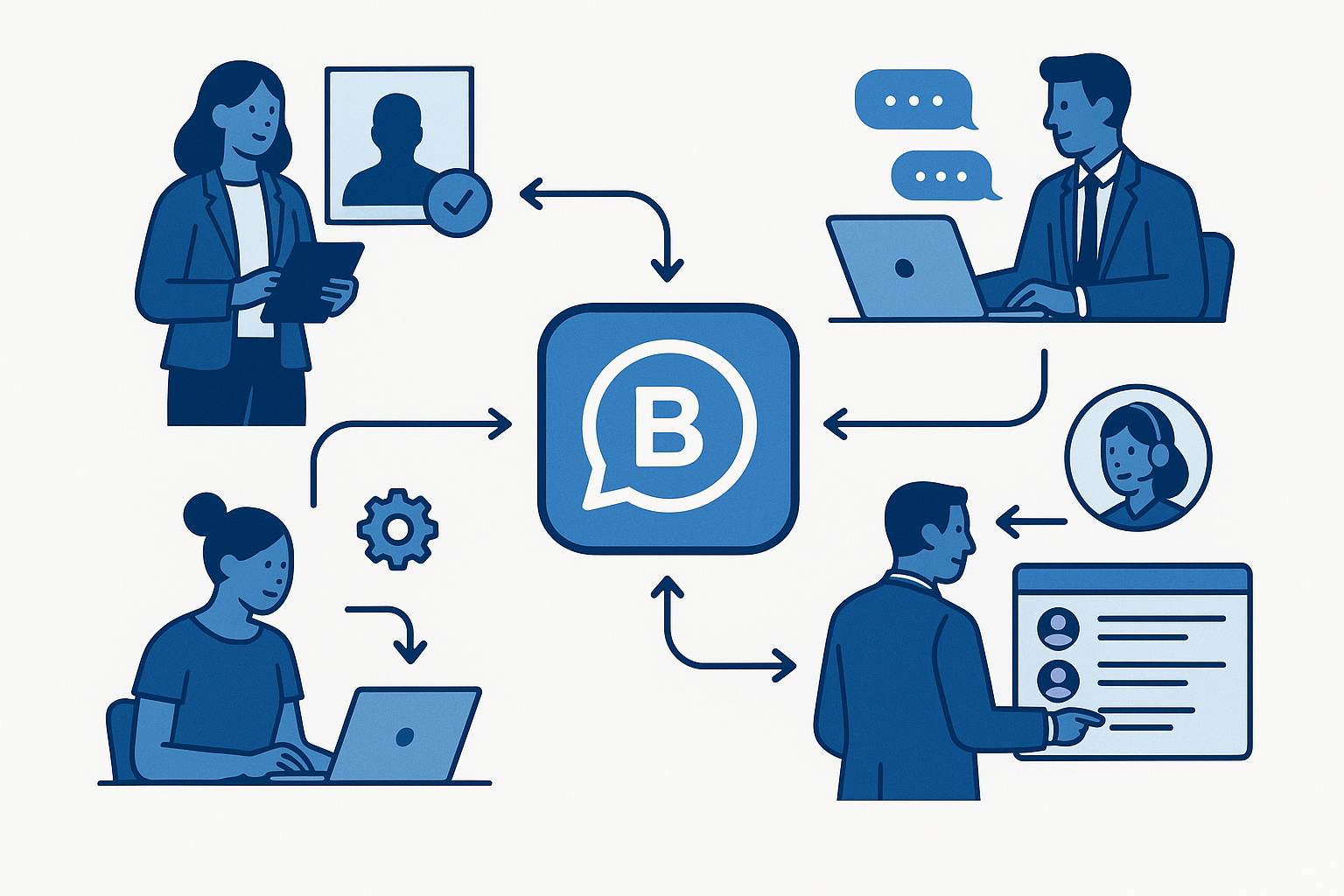
For many South African organisations, WhatsApp is just one customer touchpoint alongside email, phone, and web chat. Integrating the API with your CRM and ERP systems is essential to maintain context, track leads, and deliver consistent service.
Integration enables:
- Automatic logging of WhatsApp interactions in customer records
- Triggering workflows based on message content or customer status
- Centralised reporting across communication channels
Without integration, teams risk working in silos, losing insights, and frustrating customers with repeated information requests.
Evaluating WhatsApp Message Templates and Campaigns
WhatsApp Business API requires pre-approved message templates for outbound notifications. This ensures messages are relevant and not spammy-a key point under POPIA and good customer experience.
When crafting templates, consider the following:
| Aspect | Consideration | South African Context |
|---|---|---|
| Clarity | Simple, direct language with a clear call to action | Avoid jargon or acronyms unfamiliar outside your sector |
| Compliance | Include opt-out instructions and reflect lawful purpose | Align with POPIA consent and marketing regulations |
| Personalisation | Use placeholders for customer names or specific details | Enhances engagement in diverse South African languages and cultures |
| Timing | Send within hours customers expect, avoiding late-night messages | Respect local time zones and public holidays |
Training and Change Management for Teams
Introducing WhatsApp Business API changes how customer-facing teams work. Beyond technical setup, invest in training so agents understand the channel’s nuances, limits, and opportunities.
Training should cover:
- Using unified inboxes to manage WhatsApp alongside email and calls
- Recognising when to escalate from bot to human agent
- Maintaining compliance with messaging and privacy policies
Change management also means setting realistic expectations about volume, response times, and how automation will support rather than replace agents.
Measuring Success and Iterating with Data
Analytics and reporting are too often an afterthought. Yet to optimise your WhatsApp Business API deployment, you need to analyse message delivery rates, engagement, response times, and customer satisfaction.
Key metrics worth tracking
For South African businesses, consider:
- Opt-in and opt-out rates: Ensure consent processes are effective and customers are not overwhelmed.
- Message response time: Faster replies correlate with better satisfaction and retention.
- Resolution rate: How often issues are resolved fully via WhatsApp versus escalated.
- Campaign delivery and click-through rates: Assess marketing message effectiveness.
- Agent workload and utilisation: Balance automation benefits with human capacity.
Key takeaway. Implementing WhatsApp Business API in South Africa demands a tailored approach balancing compliance, customer needs, and technology integration. Thoughtful planning across consent, automation, training, and analytics sets the foundation for success.
Answer specialises in helping organisations deploy WhatsApp Business API effectively within South Africa’s unique regulatory and operational environment. Contact Answer.co.za to discuss your requirements and create a solution that fits your team and customers.