
South African businesses increasingly recognise that customer feedback is a vital asset. Yet gathering, processing, and acting on this feedback often remains fragmented and slow, undermining its value. Whether you are a sales director aiming to capture real-time market insights or an operations leader seeking to resolve service issues faster, optimising your customer feedback workflows can make a tangible difference.
Answer.co.za specialises in solutions that unify communication channels such as WhatsApp, email, and SMS, integrated directly with CRM and ERP systems. This article explores how South African organisations can rethink their customer feedback processes to improve response times, ensure compliance with POPIA, and enhance overall customer satisfaction.
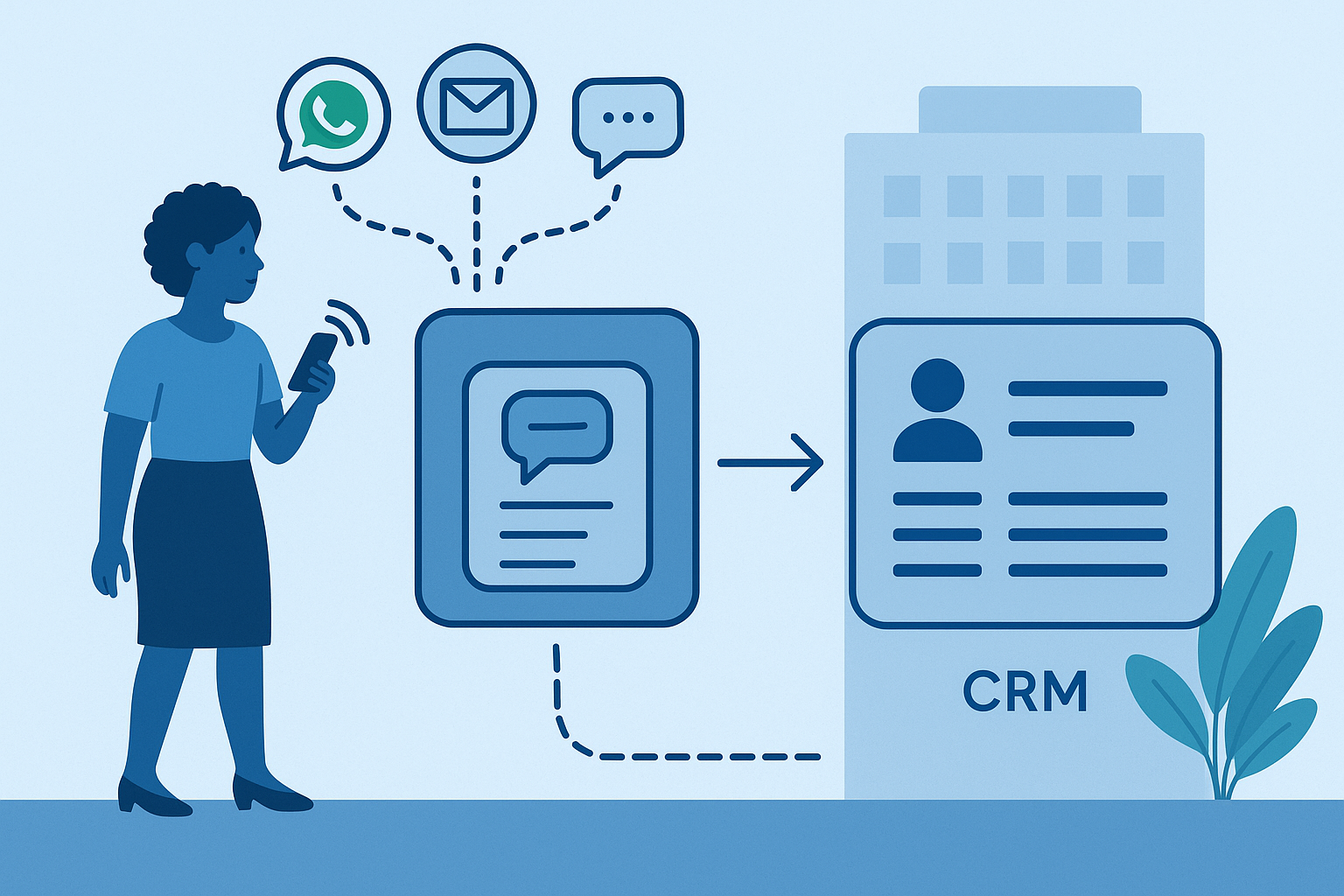
Why South African Businesses Need Structured Feedback Workflows
It is common for feedback to come piecemeal through different channels. For example, a retail chain might receive social media comments, WhatsApp messages, and in-store surveys simultaneously. Without a structured workflow, these inputs often end up siloed in separate teams or platforms, delaying action.
Moreover, South African data protection laws like POPIA require that customer consent is managed carefully when collecting and storing personal information. A haphazard approach to feedback increases the risk of non-compliance and reputational damage.
Structured feedback workflows help by:
- Centralising data capture from multiple channels into one unified inbox.
- Standardising consent capture and documentation to align with POPIA.
- Automating routing and escalation so responsible teams address feedback promptly.
- Integrating with CRM to tie feedback to customer profiles, enabling personalised follow-ups.
Balancing Automation and Personal Touch in Feedback Handling
Many companies worry that automating feedback responses could feel impersonal. However, automation is not about replacing human contact but augmenting it. For instance, Answer’s workflow automation can categorise feedback by type-complaint, suggestion, praise-and assign priority levels automatically.
This triage allows frontline agents to focus on complex cases requiring empathy and judgement, while routine queries receive immediate acknowledgement or standardised responses. In South Africa’s diverse market, this balance is critical to maintaining trust.
Consider a telecommunications provider receiving a surge of outage reports. A chatbot can confirm receipt and provide estimated resolution times instantly, while routing urgent cases to specialised teams. This reduces customer frustration without sacrificing the human touch where it matters most.
Integrating WhatsApp Business API With CRM for Feedback Insights
WhatsApp is South Africa’s preferred messaging platform, making it a crucial feedback channel. Yet many businesses still treat WhatsApp messages separately from other data sources. Answer’s unified inbox combined with CRM integration changes that.
By linking WhatsApp Business API directly to your CRM, all incoming feedback is logged as part of customer records. Sales and service teams gain a complete view of interactions, enabling more informed responses and proactive outreach.
Additionally, you can set triggers based on feedback content or sentiment analysis. For example, if a customer expresses dissatisfaction about product quality, the system can automatically alert quality control teams or prompt a follow-up call.
- Unified Inbox
- A single interface consolidating messages from WhatsApp, email, SMS, and web chat.
- Workflow Automation
- Rules-based routing and responses that streamline handling without removing human oversight.
- POPIA Compliance
- Policies and tools to capture and manage customer consent for data processing.
- CRM Integration
- Connecting feedback to customer profiles for richer insights and follow-up actions.
Common Challenges and Practical Solutions in South African Context
Implementing optimised feedback workflows does not come without challenges. Some typical issues include:
- Data Privacy Concerns: South African customers are increasingly aware of their data rights. Transparent consent processes embedded in feedback collection tools are essential.
- Channel Fragmentation: Teams may use separate tools for WhatsApp, email, and CRM, making data reconciliation difficult. A unified platform reduces complexity and training overhead.
- Resource Constraints: Smaller businesses may lack dedicated customer experience teams. Workflow automation can help by prioritising and escalating feedback efficiently, maximising limited staff capacity.
- Integration Complexity: Legacy systems may not easily connect with modern APIs. Answer offers tailored integration services to bridge these gaps without disrupting operations.
Key takeaway. South African organisations that invest in structured, technology-enabled customer feedback workflows can improve responsiveness, maintain POPIA compliance, and gain competitive advantage through better customer insight.
How to Begin Reworking Your Feedback Workflow
Rather than attempting a full overhaul, start by mapping your existing feedback channels and identifying bottlenecks. Ask questions like:
- Where do you currently receive customer feedback?
- How is feedback recorded and who is responsible?
- Are there delays or lost messages?
- How is consent captured and managed?
- What systems do you use for customer records and communication?
From there, engage with a technology partner like Answer to explore:
Questions to discuss with your solution provider
- How can WhatsApp Business API be integrated with your existing CRM and ERP?
- What workflow automation options exist to reduce manual triage?
- How does the platform support POPIA compliance, including consent management?
- What reporting dashboards can help track feedback trends and team performance?
- Can the solution scale with your business and adapt to new channels?
Comparing Customer Feedback Workflow Approaches in South Africa
| Aspect | Traditional Workflow | Optimised Workflow with Answer |
|---|---|---|
| Channel Management | Separate inboxes, manual consolidation | Unified inbox consolidating WhatsApp, email, SMS |
| Data Privacy | Inconsistent consent records, risk of POPIA breaches | Automated consent capture and audit trails |
| Response Time | Delays due to manual routing | Automated routing and prioritisation |
| Integration | Feedback disconnected from customer profiles | Full CRM and ERP integration for context-rich interactions |
| Reporting | Limited insight, reactive analysis | Real-time dashboards highlighting trends and issues |
“Optimising customer feedback workflows is not just about technology, but how it supports people to listen, respond, and improve.”
As South African companies face increasing customer expectations and regulatory requirements, adapting feedback processes is a practical step toward sustainable growth. With the right tools and approach, your team can turn feedback into a strategic advantage.
If you would like to discuss how Answer can help you design and implement optimised customer feedback workflows that fit your organisation’s unique needs, please contact us.