
Customer service managers in South Africa often face the challenge of equipping their teams to handle WhatsApp Business API interactions effectively. This platform has become a critical channel for customer communication, but training teams to use it well requires more than just technical know-how. It calls for a strategic approach that blends real-time coaching, performance monitoring, and compliance awareness.
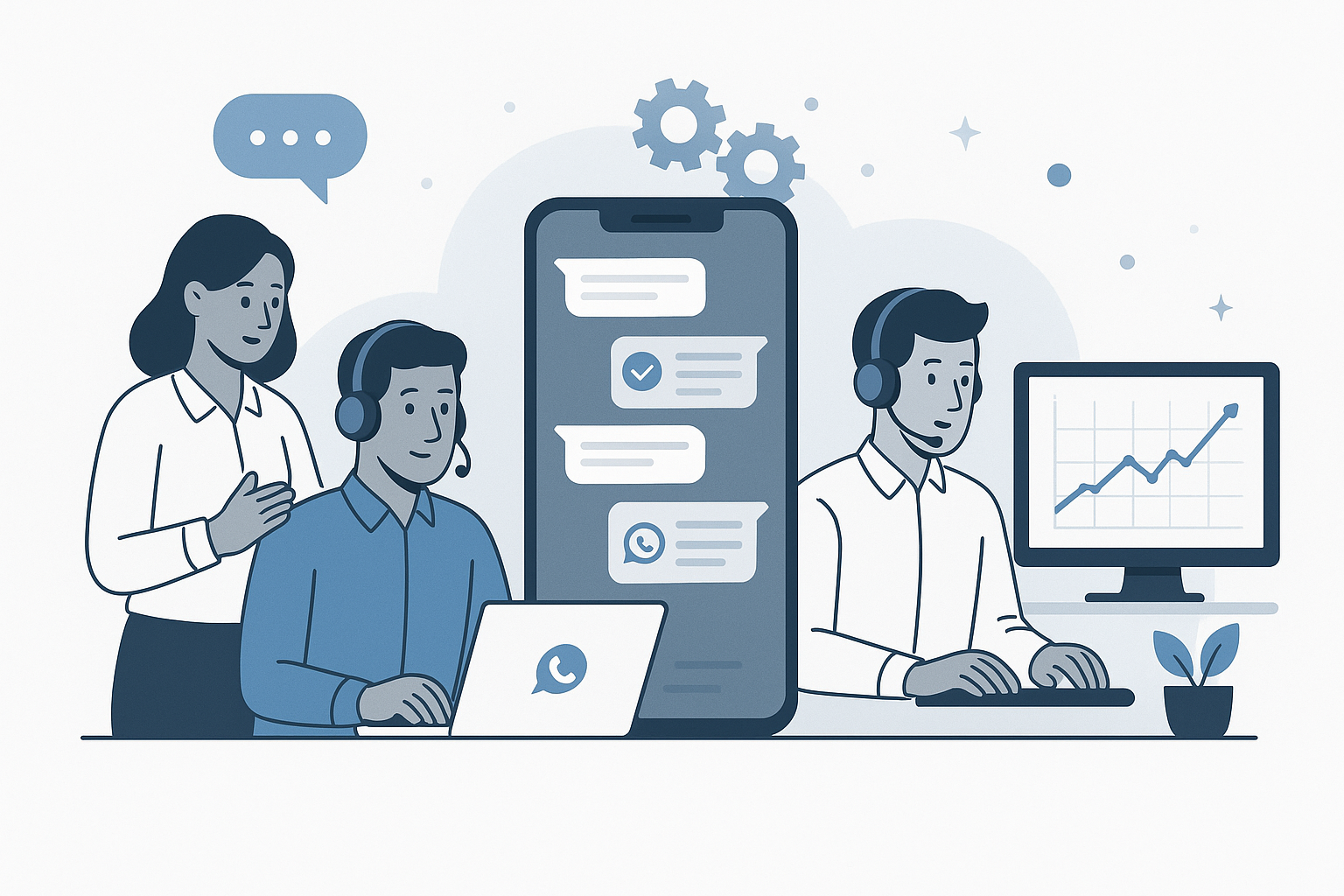
Why Traditional Training Methods Fall Short for WhatsApp Customer Support
Many South African organisations still rely on classroom sessions or generic online courses to train teams. However, WhatsApp Business API introduces complexities that these methods do not address adequately.
- Real-time Interaction: WhatsApp conversations happen live and often need quick, personalised responses.
- Multichannel Context: Agents might handle WhatsApp alongside email, SMS, or other platforms, requiring seamless workflow knowledge.
- Compliance and Consent: POPIA demands strict data handling practices, which must be second nature to agents.
- Automation Integration: Chatbots and workflow automation can assist but require agents to understand when and how to intervene.
Training must therefore be tailored to these realities, going beyond theory to hands-on, context-specific learning.
Coaching Embedded in the WhatsApp Business API Workflow
Embedding coaching into the daily workflow helps agents improve steadily without stepping away from their desks. Here are effective ways to do this:
- Live Monitoring with Feedback Tools: Managers can observe conversations and offer immediate suggestions or corrections through internal notes or side chats.
- Shadowing and Role Playing: New recruits shadow experienced agents on real WhatsApp queries, then practise handling typical scenarios with peer or manager feedback.
- Use of Templates and Suggested Replies: Training includes mastering approved message templates that comply with brand tone and legal requirements, accelerating response times and consistency.
Example: Handling a payment query
When a customer asks about a payment issue on WhatsApp, the agent can use a template to acknowledge the query, then escalate the case internally. Coaching sessions focus on tone, clarity, and following security protocols, ensuring the agent meets both service and compliance standards.
Tracking Performance and Identifying Training Gaps
Data gathered from WhatsApp interactions provides rich insights for ongoing training needs. South African operations managers should consider these metrics:
| KPI | What It Measures | How It Informs Training |
|---|---|---|
| Average Response Time | Speed of first reply to customer messages | Highlights need for faster message triage and template use |
| Resolution Rate | Percentage of queries resolved without escalation | Indicates depth of agent product knowledge and empowerment |
| Customer Satisfaction Scores (CSAT) | Feedback from customers post-interaction | Reveals soft skills training opportunities like tone and empathy |
| Compliance Errors | Incidents of POPIA or messaging policy breaches | Mandates refresher sessions on data protection and consent |
Balancing Automation and Human Touch in Training
Automation on WhatsApp Business API can reduce agent workload, but training must clarify its role clearly. Agents should know:
- Which queries chatbots handle independently and when to take over
- How to personalise automated message flows to avoid robotic replies
- How to monitor bot performance and report gaps
Agents trained to work alongside automation tend to deliver a smoother customer experience, striking the right balance between efficiency and empathy.
"Effective WhatsApp customer service training is not just about tools - it’s about embedding coaching and compliance into everyday conversations."
Practical Considerations for South African Organisations
When planning WhatsApp Business API training, consider these local factors:
- POPIA Compliance: Include clear instruction on consent management and data handling to avoid costly penalties.
- Language Diversity: South African teams may need training in multiple official languages or dialects to serve customers properly.
- Connectivity and Device Access: Ensure training materials are accessible on mobile devices and can be used offline where network quality varies.
- Industry-Specific Scenarios: Tailor role plays and templates to sectors like retail, finance, or telecommunications to increase relevance.
Key takeaway. Combining live coaching, data-driven feedback, and automation literacy forms a robust training approach for South African WhatsApp Business API teams.
Further Resources and Next Steps
Answer provides customised training solutions that integrate with your WhatsApp Business API platform, helping your team master the channel while staying compliant and efficient. For a deeper dive into optimising your service workflows, visit our workflow automation guide.
Contact Answer to discuss how we can support your customer service training and platform needs.